Decades of Air Force Underfunding Threaten America’s Ability to Win
Watch the Mitchell Institute’s rollout for our newest policy paper: Decades of Air Force Underfunding Threaten America’s Ability to Win by…


John Baum and Mitchell Institute’s Heather Penney are joined by Dr. Max Perez, an engineer at Cold Quanta, and Dr. Andrei Shkel, a professor of engineering at UCI, to demystify Quantum technology and understand how it applies to future defense applications.
Douglas Birkey is joined by Brian Hart from the Center for Strategic and International Studies’ China Power Project; Thomas Corbett from Bluepath Labs; and Dan Rice, Mitchell Institute’s Research Analyst, to discuss what we can learn from China’s recent military activity around Taiwan and the broader international response.
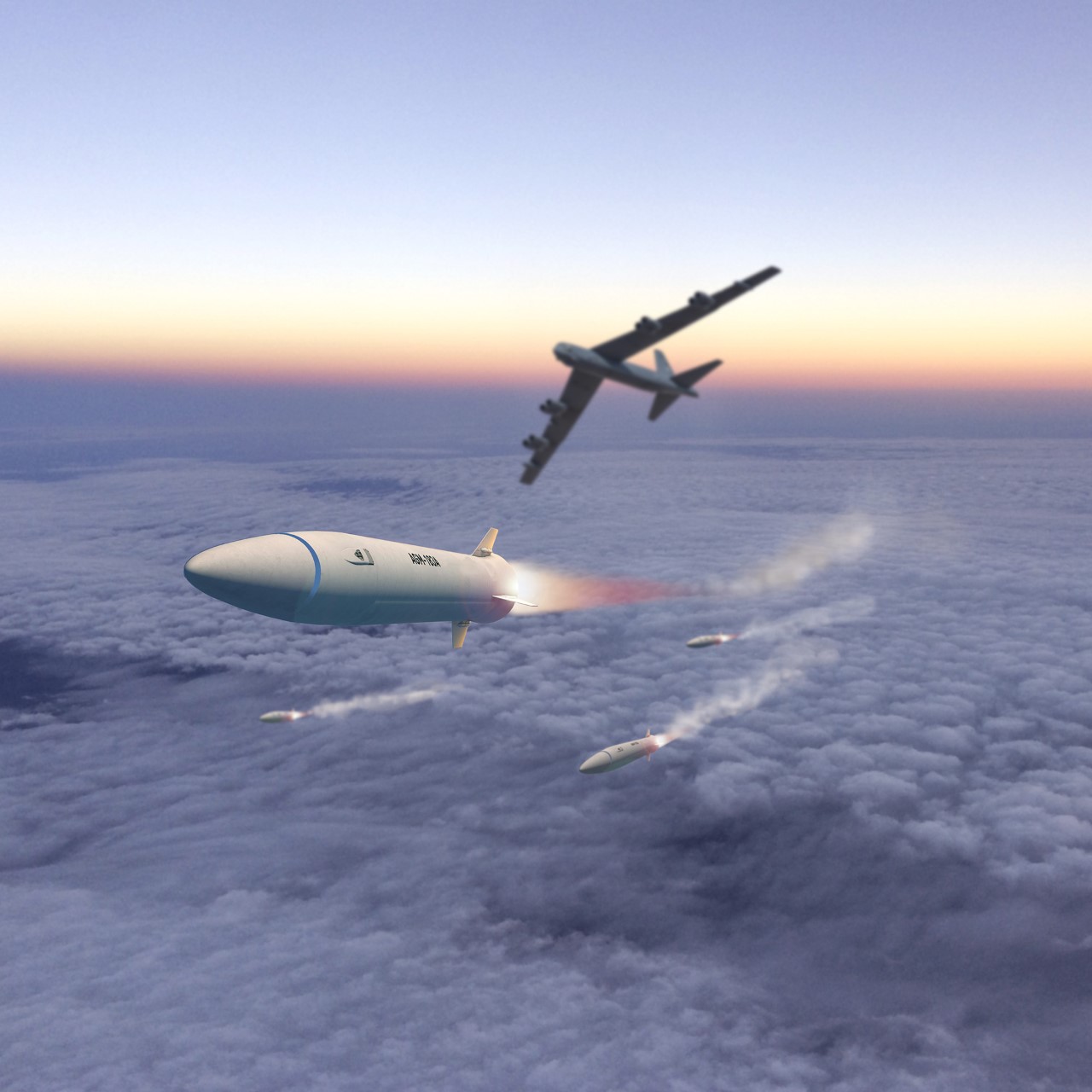
John Baum engages with one of the industry teams involved with designing, building, and testing next generation hypersonic strike technologies. This episode provides an inside perspective regarding what it’s like to be on this journey, better understand the technology, the people behind these efforts, and why it’s so important hypersonics enter America’s operational arsenal as soon as possible.
The Hill | August 11, 2022 | Caitlin Lee
Arlington, Virginia, August 10, 2022 The Mitchell Institute for Aerospace Studies is pleased to announce Shane Thin is joining our…
Empowering actors at all levels with a smart set of options at the right time and place demands procuring the most effective, efficient, and resilient set of tools.
Resource investment must prioritize investments that will yield best value for the Air Force, Space Force, and national security establishment as a whole.
Strategic deterrence is the bedrock of the national security enterprise thanks to the virtues and value of the triad.
National security space activities are essential facets of any military operation, while also creating conditions essential for the civilian economy.
Meeting national security requirements today and tomorrow requires insightful, creative approaches that prioritize America’s strengths, while not projecting undue vulnerability.