
Press Release – Royal Canadian Air Force Commander Lt Gen Eric Kenny Visits the Mitchell Institute
Arlington, VA | February 2, 2023 Mitchell Institute for Aerospace Studies was honored to host the Commander of the Royal…
Arlington, VA | February 2, 2023 Mitchell Institute for Aerospace Studies was honored to host the Commander of the Royal…
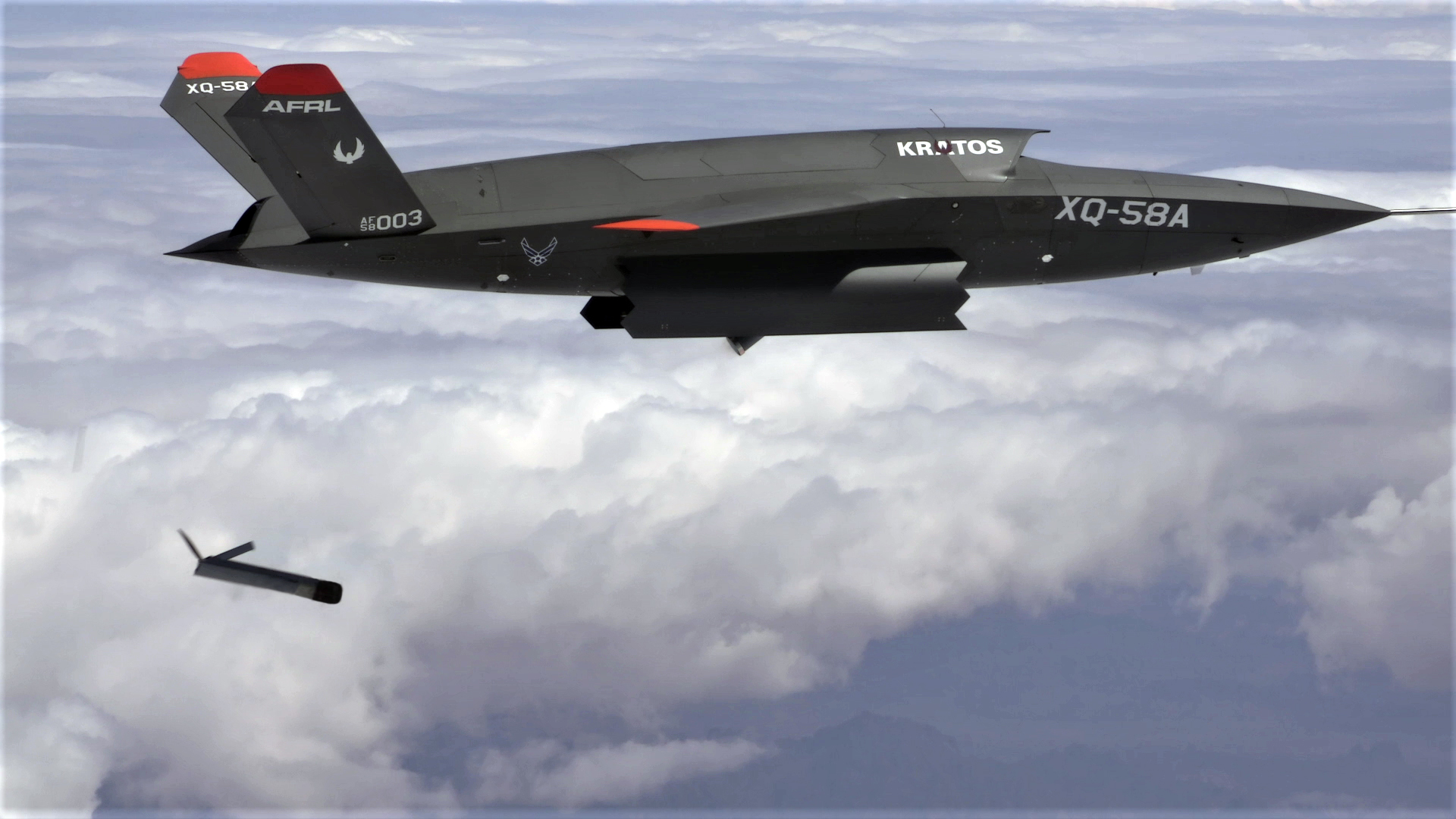
John “Slick” Baum chats with Robert “Otis” Winkler from KRATOS Defense about what it’s like to design, develop, and field a next generation UAV, what the Air Force now calls Collaborative Combat Aircraft (CCA).

John Baum chats about the challenges of operating drone swarms during a great power conflict with Dr. Doug Meador, the Autonomous Collaborative Vehicles Portfolio manager within AFRL’s Aerospace Systems Directorate; Lt Colonel Ryan “SCUDS” Slaughter, the lead for Autonomous Collaborative Platforms in the Headquarters AF Strategy, Integration and Requirements directorate; plus Caitlin Lee and Mark Gunzinger from the Mitchell Institute team.

Arlington, VA | January 17, 2023 | The Mitchell Institute for Aerospace Studies Looking back at 2022, Mitchell Institute stands proud…

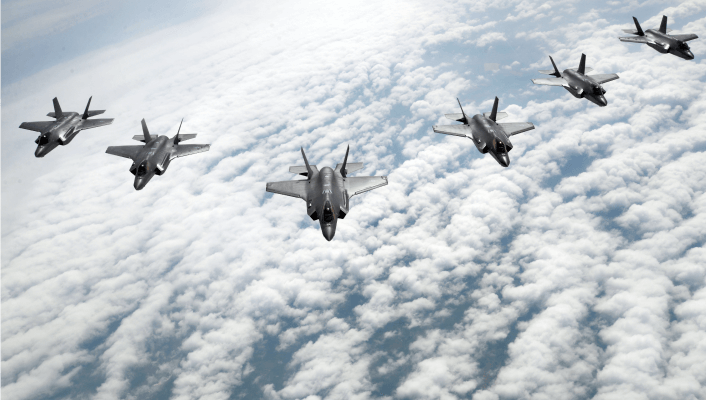
In this Rendezvous episode, we discuss how the struggle to elect a Speaker of the House has implications for defense. We also discuss the latest F-35 contract and how new pricing will impact the future of the program. Plus we assess the challenges and opportunities for the Space Force as we look to 2023.
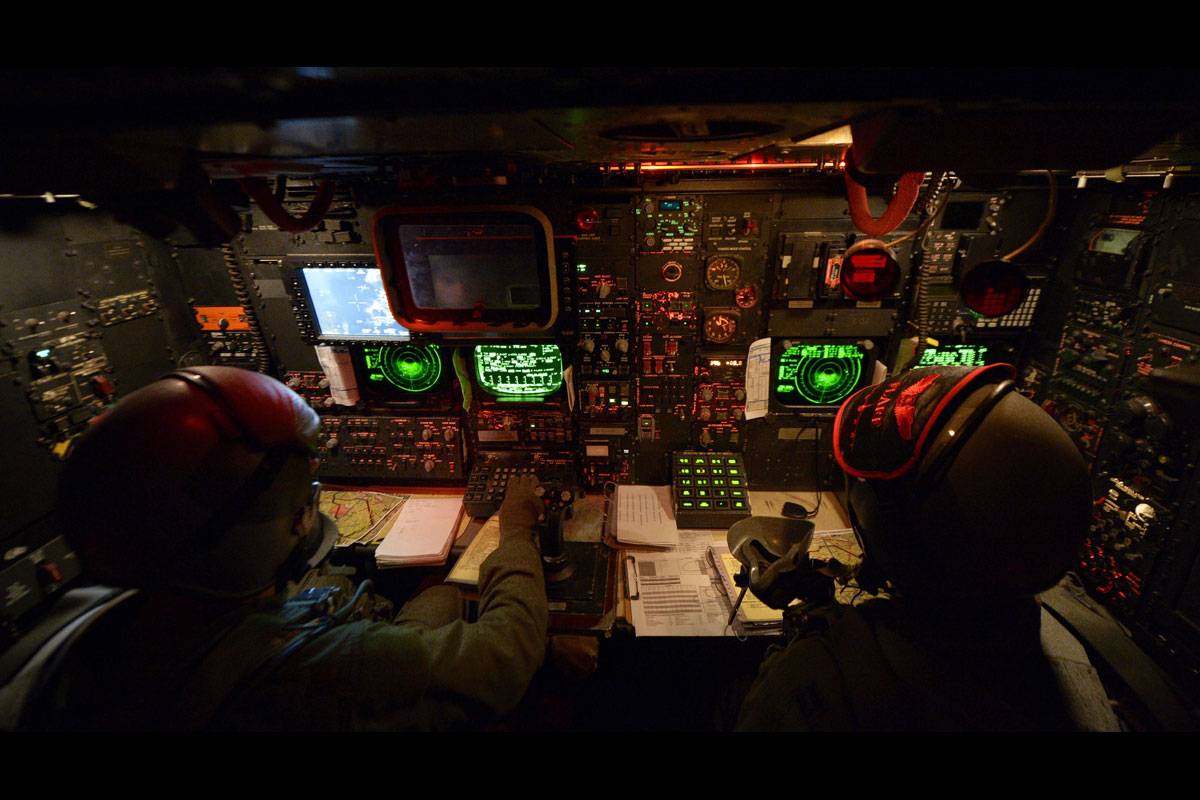
The Mitchell Institute for Aerospace Studies invites you to watch and listen to our Aerospace Nation event with Lt Gen…

Empowering actors at all levels with a smart set of options at the right time and place demands procuring the most effective, efficient, and resilient set of tools.
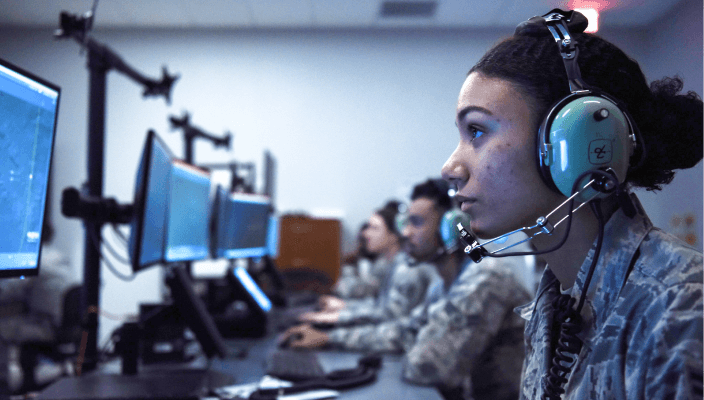
Resource investment must prioritize investments that will yield best value for the Air Force, Space Force, and national security establishment as a whole.
Strategic deterrence is the bedrock of the national security enterprise thanks to the virtues and value of the triad.

National security space activities are essential facets of any military operation, while also creating conditions essential for the civilian economy.
Meeting national security requirements today and tomorrow requires insightful, creative approaches that prioritize America’s strengths, while not projecting undue vulnerability.