
We dive into the realm of public opinion regarding one of the most consequential aspects of U.S. national security, Nuclear Deterrence. Mitchell Institute, in collaboration with Seven Letter Insight, conducted a poll to better understand these dynamics. The results were both surprising and illuminating.
Sponsored by

Every week, Heather “Lucky” Penney will take listeners into the world of aerospace power and help the audience understand what it takes to fly and fight in the sky, while also protecting America’s interests in space. Whether talking to top generals, standing on a flight line full of combat aircraft, looking at a rocket being prepared for launch, or hearing from those who have laid it all on the line in defense of the nation—this podcast will afford unprecedented access and insight into where the combat aerospace community is going and why.
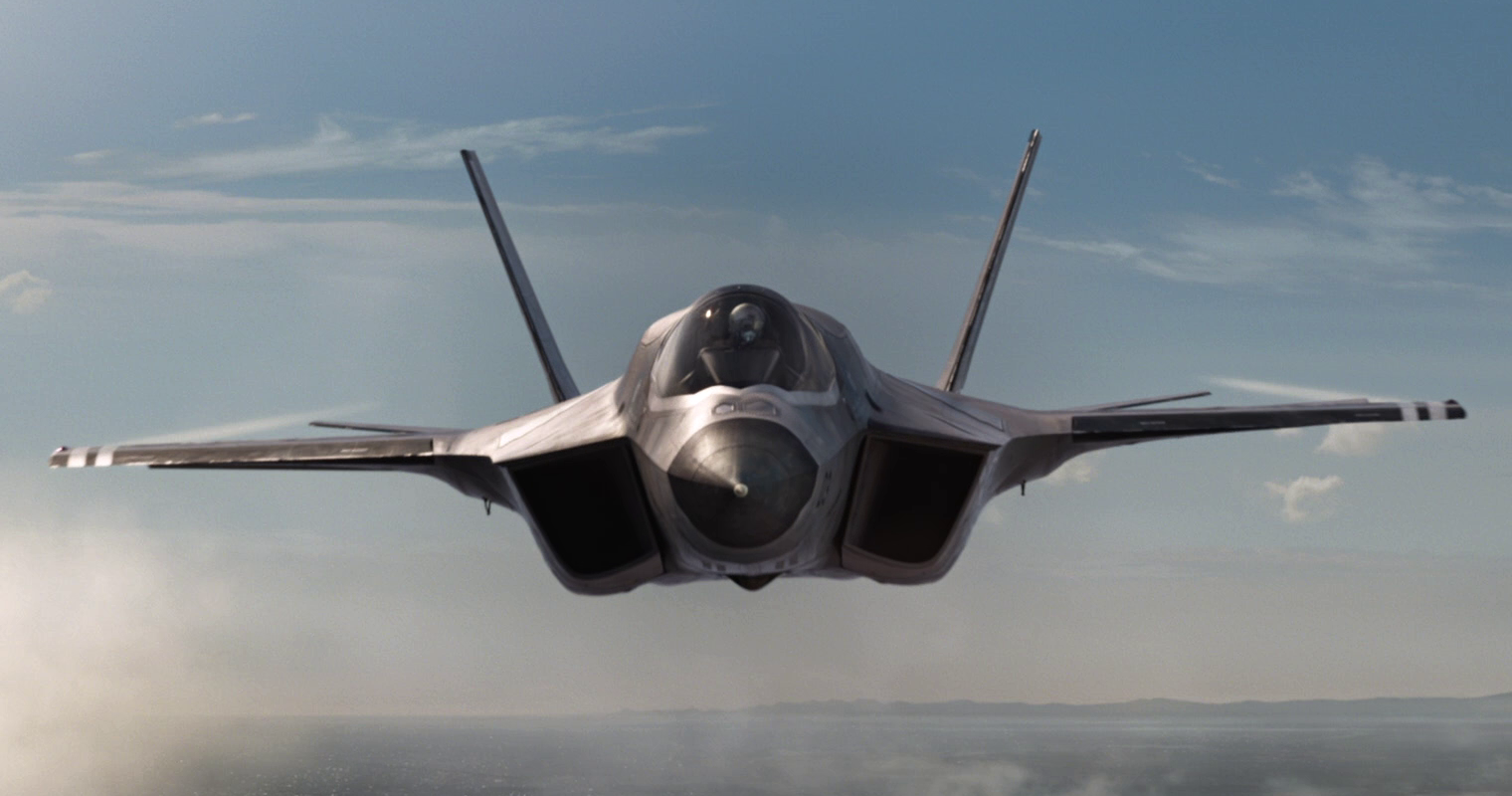
Allies and partners are critical to mission success in today’s world, with the U.S.-Australian partnership especially crucial. Air Marshal Hupfeld discusses future operating concepts such as manned-unmanned teaming, current programs like the F-35, and important missions like airbase defense.
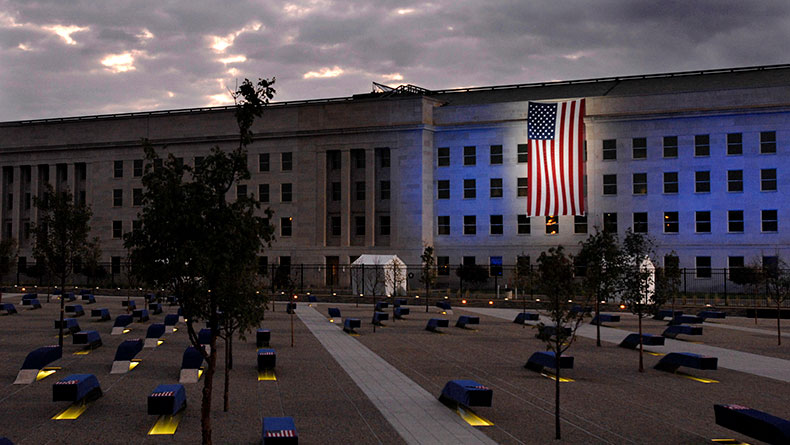
John "Slick" Baum speaks to three individuals who found themselves thrust into crisis none could have imagined as they began their day. Join us for their recollections of the day America was attacked.
John "Slick" Baum is joined by Dr Brendan Mulvaney and Ken Allen of Air University's China Aerospace Studies Institute (CASI), Cristina Garafola or RAND, and Dan Rice of the Mitchell Institute to better understand the People Liberation Army Air Force (PLAAF).
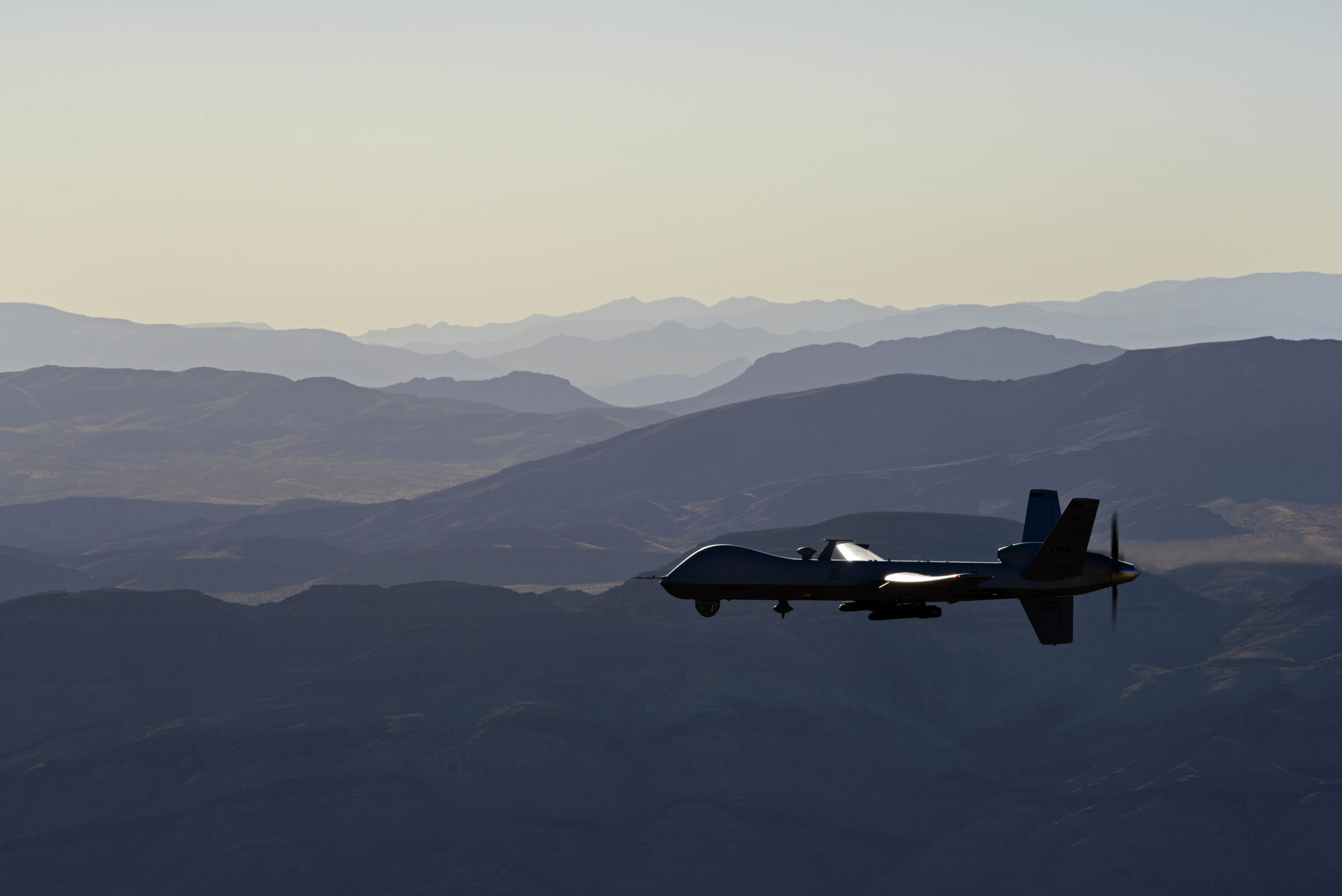
Ep. - The Rendezvous
Afghanistan Assessment: The Rendezvous
In the wake of this historic failure, it’s also important to look at what happened from a strategic perspective. The dedication to duty at the individual and unit level during this conflict was second to none, but the strategic decisions made over the past twenty years often fell short. It will take years to understand what happened and why, but this conversation marks the start of that assessment.

John Baum engages with Lt Col Mike Benitez, Director of Staff at the 53rd Wing; Dr. Jimmy “Rev” Jones, a fighter pilot-PhD; and Heather Penney of the Mitchell Institute to discuss a topic few of us consider—the “ones and zeros” of software that actually operate the jet.
John Baum and Mitchell Institute dean Lt Gen Dave Deptula, USAF (Ret.) discuss what it will take to sustain tomorrow’s military with Air Force Air Mobility Command Commander General Jackie Van Ovost.
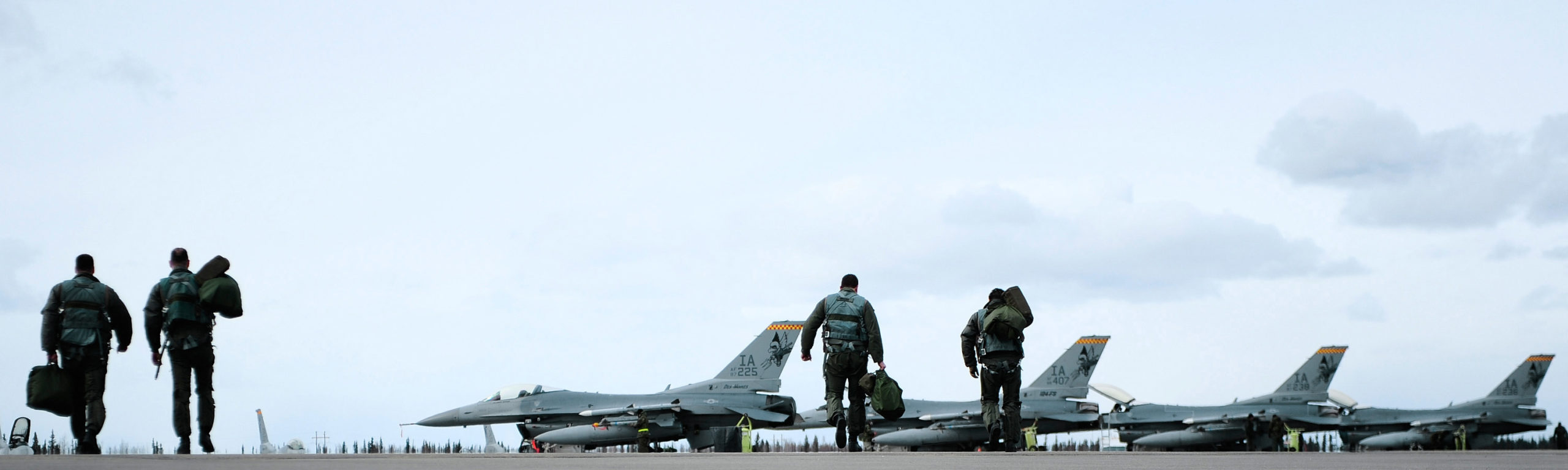
19th Air Force commander Maj Gen Craig Wills, the leader who oversees the majority of Air Force pilot training, and members of the Mitchell team, discuss what it takes to produce an Air Force pilot—what elements are timeless and areas where new approaches and technology are offering areas for progress.

Ep. - The Rendezvous
A-10s, F-35s, and C-130s from the Congressional Vantage: The Rendezvous
In this Rendezvous episode, the Mitchell Institute team discusses the latest developments from Capitol Hill regarding the Air Force and Space Force's modernization, operations, and fiscal challenges during this year's compressed budget process.
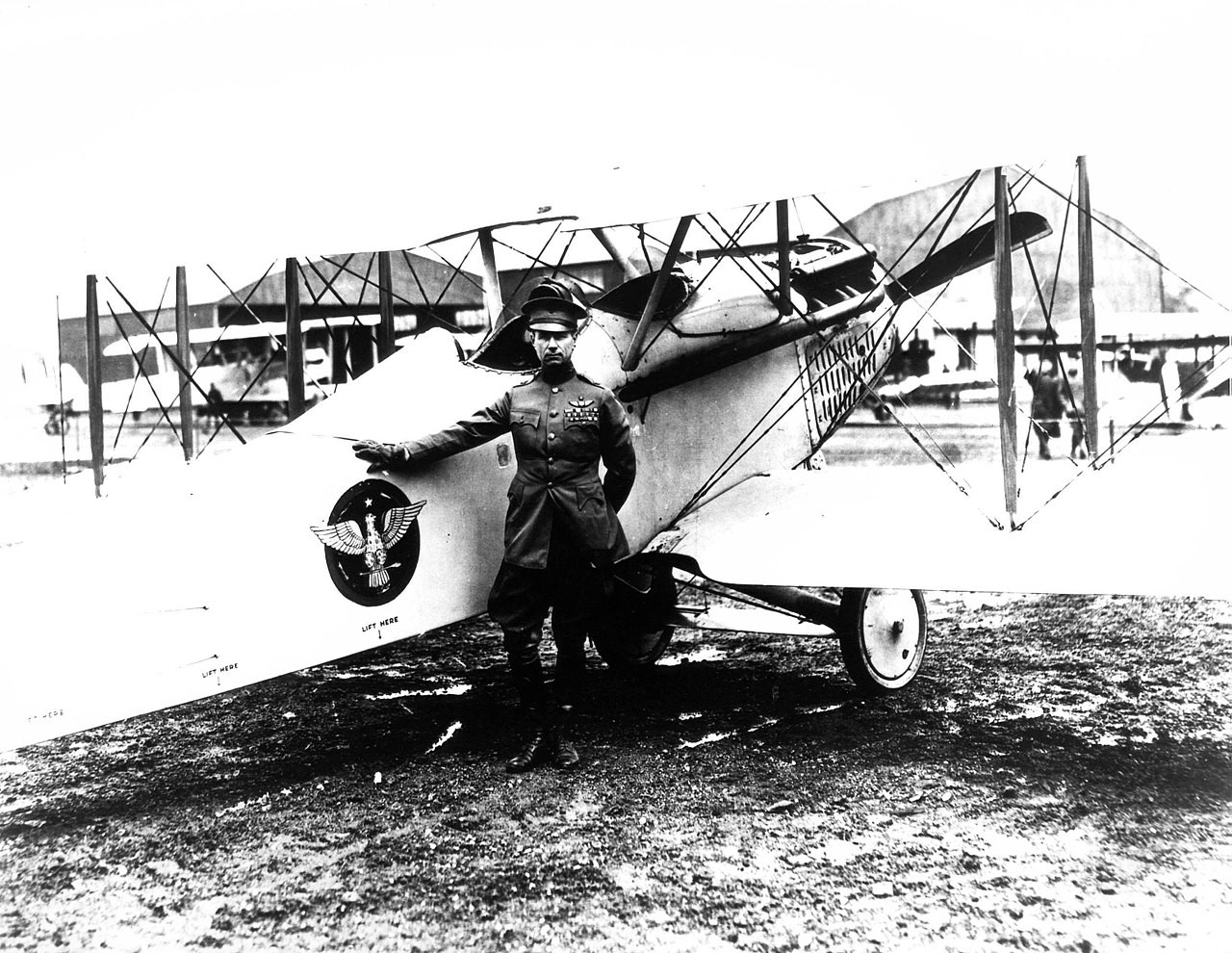
We mark the 100th anniversary of Brigadier General Billy Mitchell and the Air Service’s First Provisional Air Brigade sinking the captured German battleship Ostfriesland. While that accomplishment is incredibly significant unto itself, this anniversary also gives us an opportunity to consider Mitchell’s accomplishments with a broader lens and think about what it all means today.
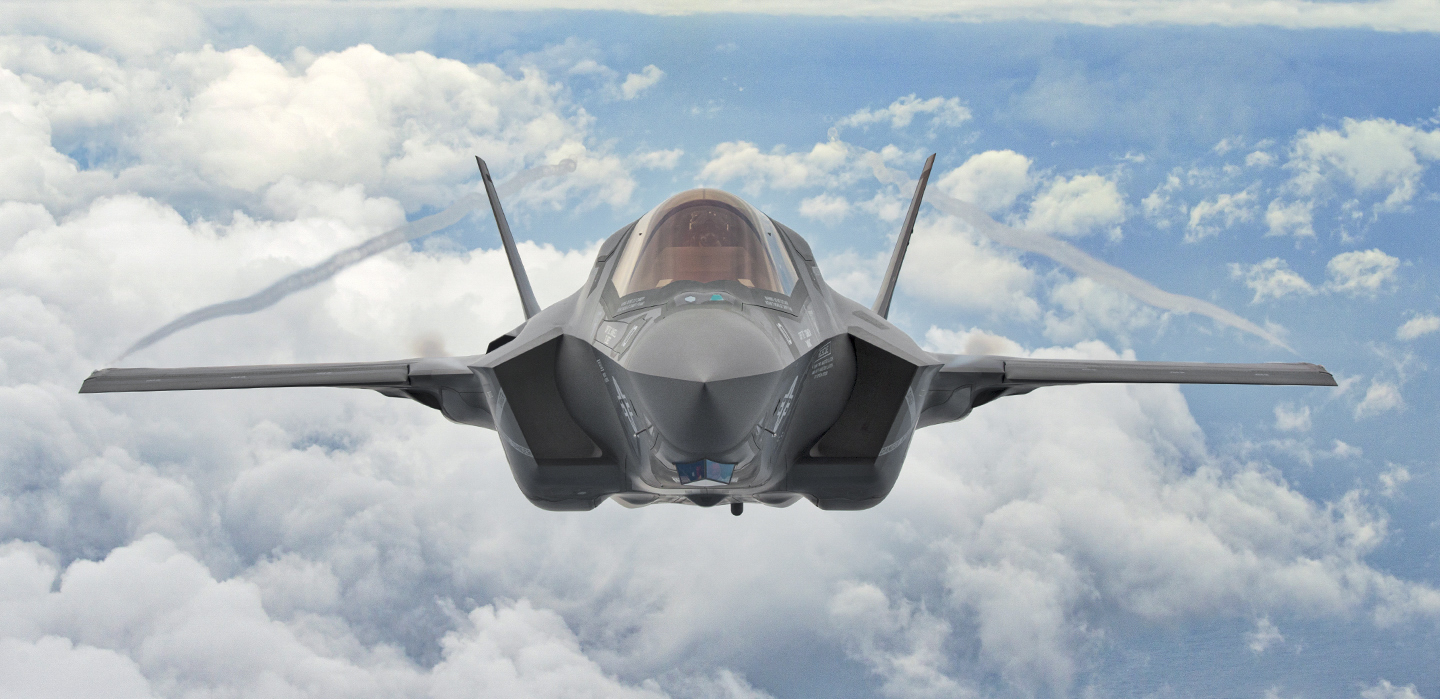
Hear from Squadron Leader Stewart Campbell of the Royal Air Force, Lt Col Maurizio “Driver” De Guida of the Italian Air Force, and Lt Col Gert Barend “Razor” Van Woerden of the Royal Netherlands Air Force about what it’s like to bring 5th generation combat aviation to their respective air forces.
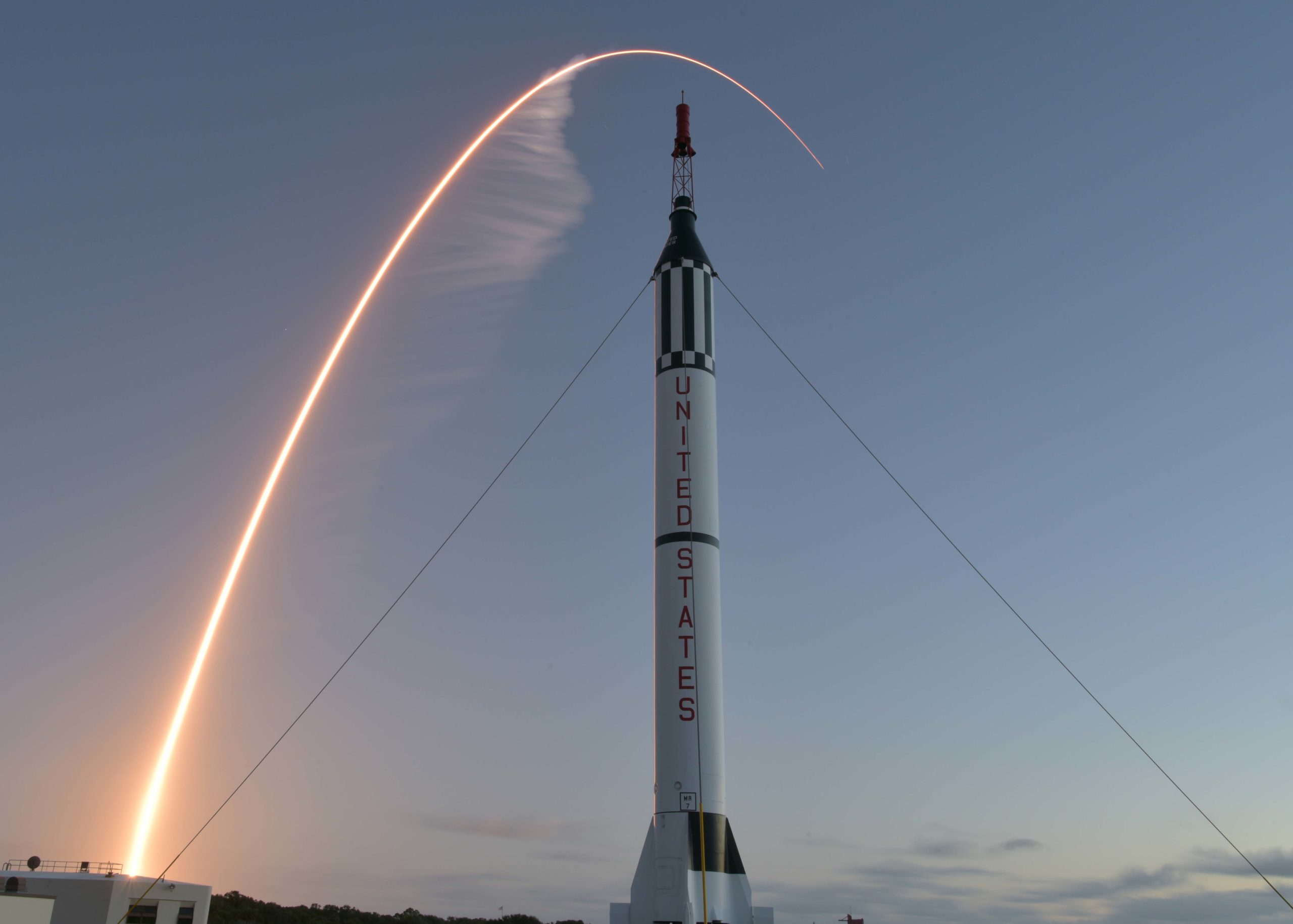
Things are simply too classified. How we protect highly classified information for the sake of national security limits Space Force's access to a vast global market of talent and technology, impedes effective communications with Congress and the public, and ultimately constrains the growth of the nation's spacepower.
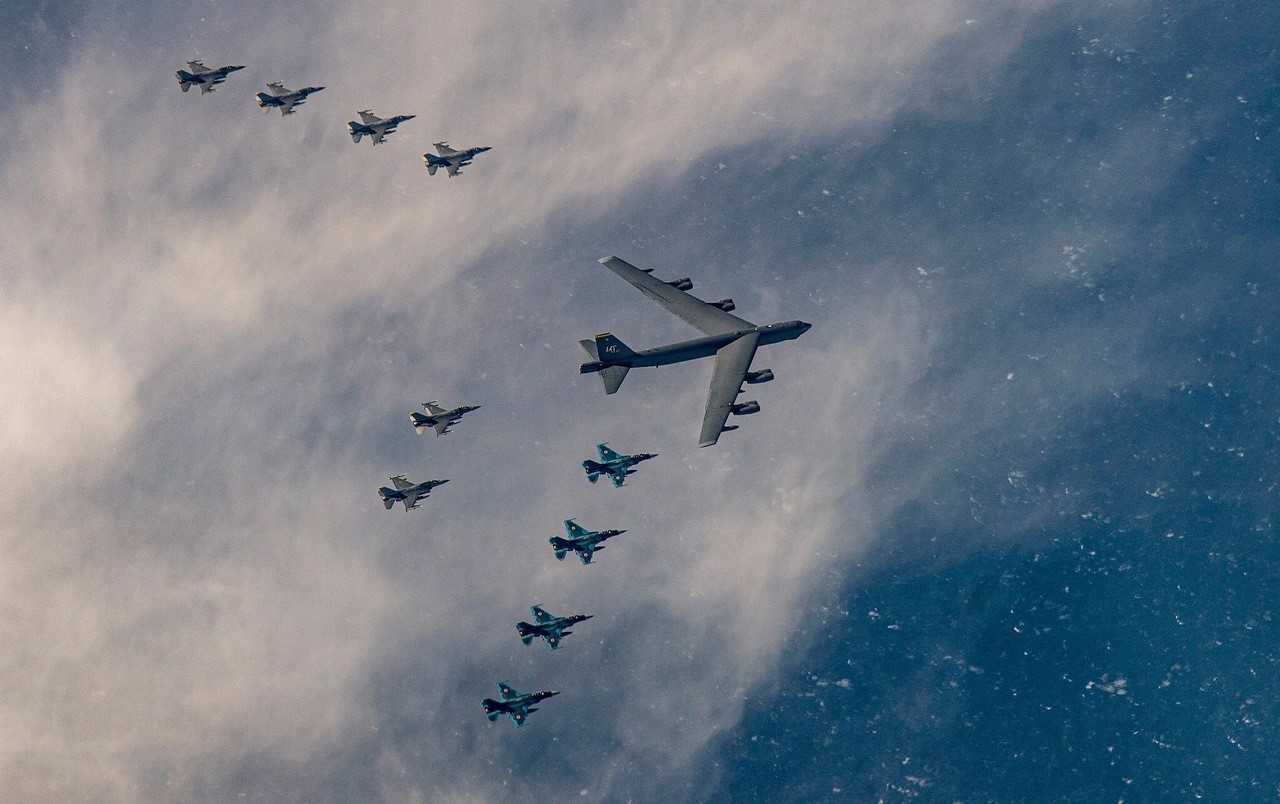
Ep. - The Rendezvous
The Rendezvous
In this Rendezvous episode, we discuss how Congress is responding to the Air Force and Space Force budget submissions, with funding decisions ultimately determined by Congressional defense committees. The episode covers a wide range of topics, including specific programs like the F-35 and GBSD, Space Force priorities, readiness issues, and individual member perspectives.
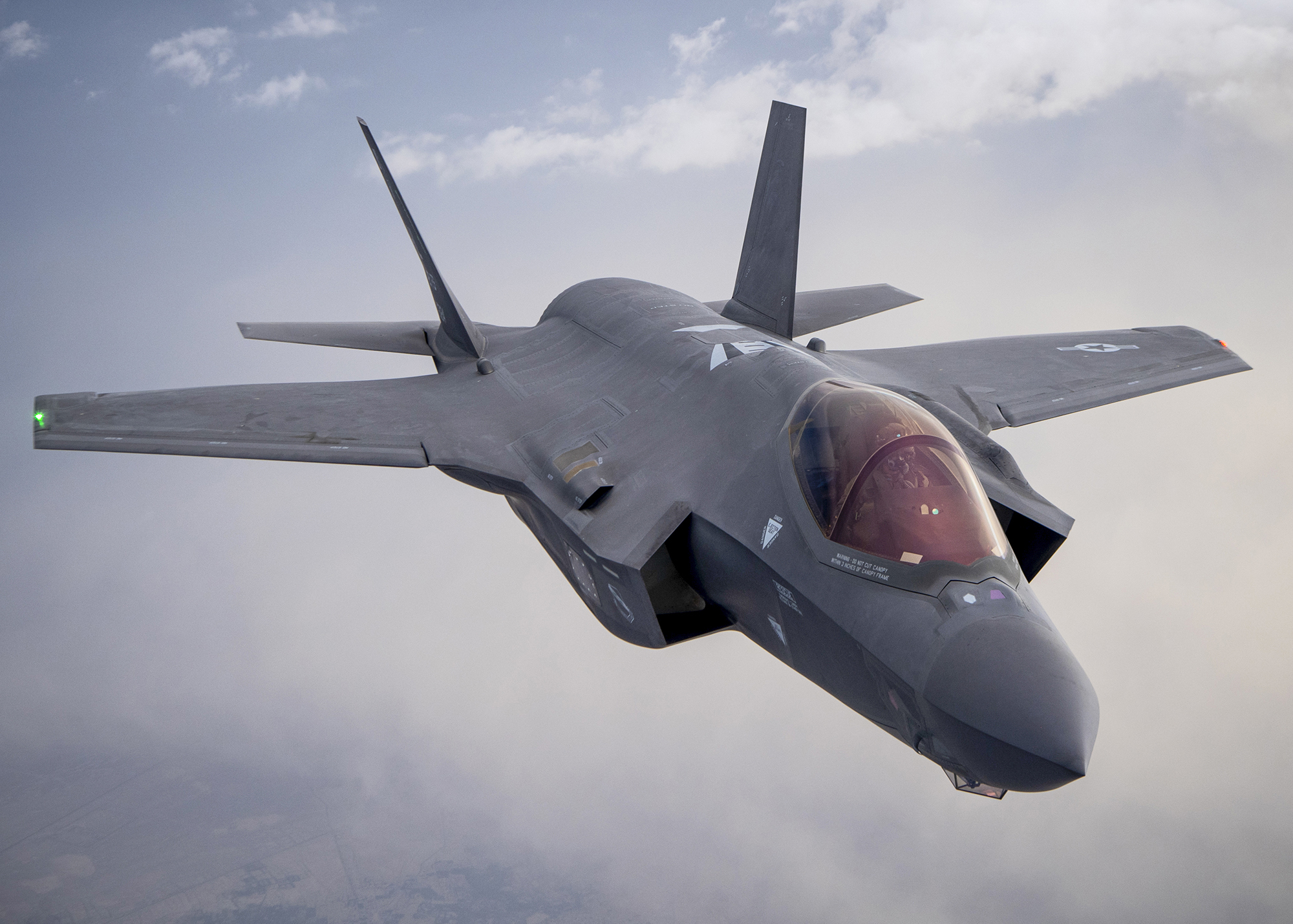
John Baum speaks to combat aviators and technical experts about how the game of finding and striking air-to-air targets is rapidly evolving. This episode explores a key technology: infrared search and track, or IRST for short.

Major Alex Wallis explores why the information advantage is crucial at the tactical edge of the battle space. It’s all about understanding how to maximize a relative position to best achieve the mission, while avoiding or minimizing threats.