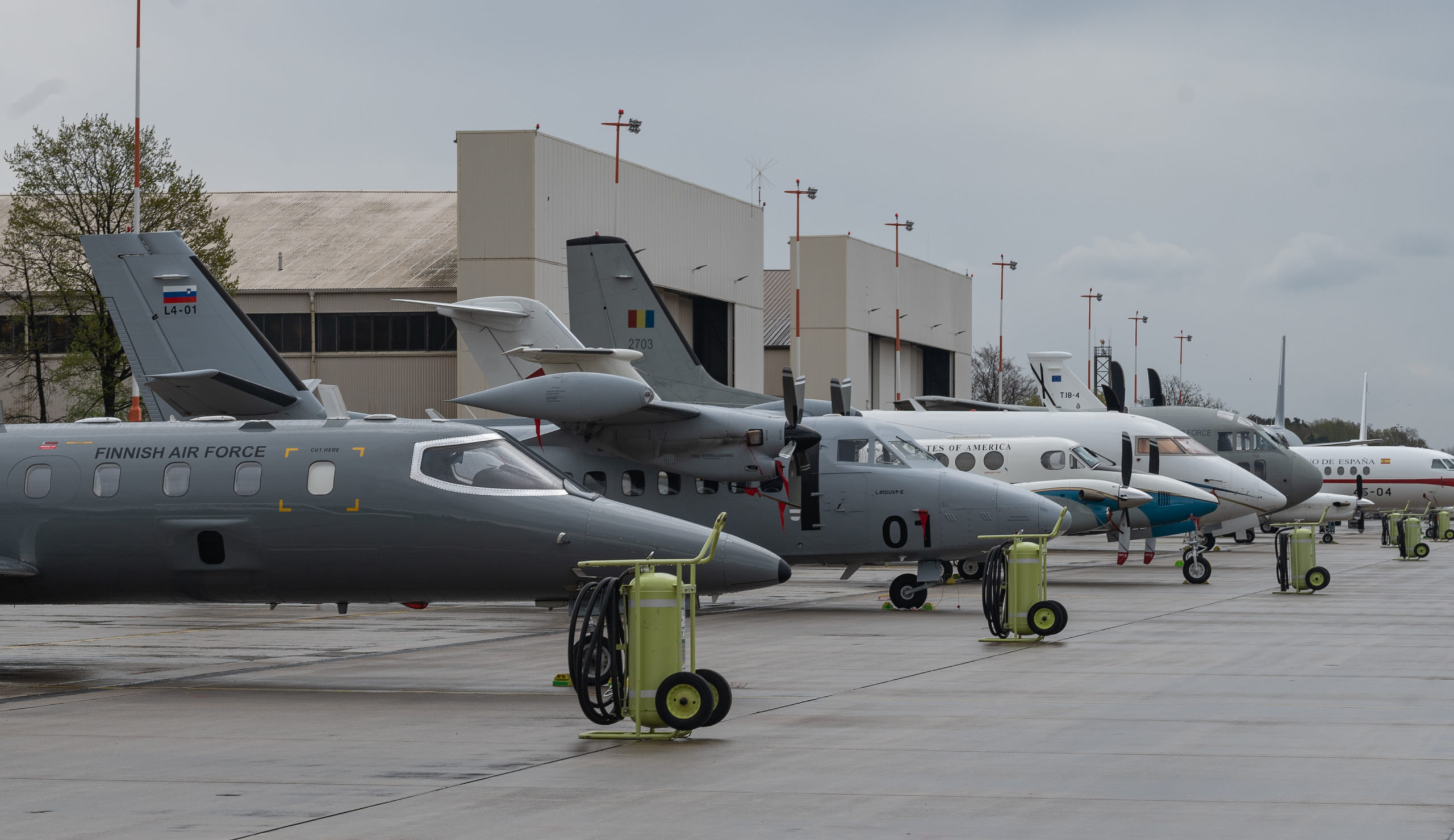
The Nuances of Air Control in Great Power Competition: What the No-Fly Zone Debate is Missing
Arlington, VA | August 2, 2022 — The Mitchell Institute for Aerospace Studies announces a new entry in its Forum…
Arlington, VA | August 2, 2022 — The Mitchell Institute for Aerospace Studies announces a new entry in its Forum…
Forbes | June 9, 2022 | Lt Gen David A. Deptula, USAF (Ret.)

Arlington, VA | June 7, 2022 — The Mitchell Institute for Aerospace Studies is pleased to announce a new entry…

CNBC | May 23, 2022 | Lt Gen David A. Deptula, USAF (Ret.)
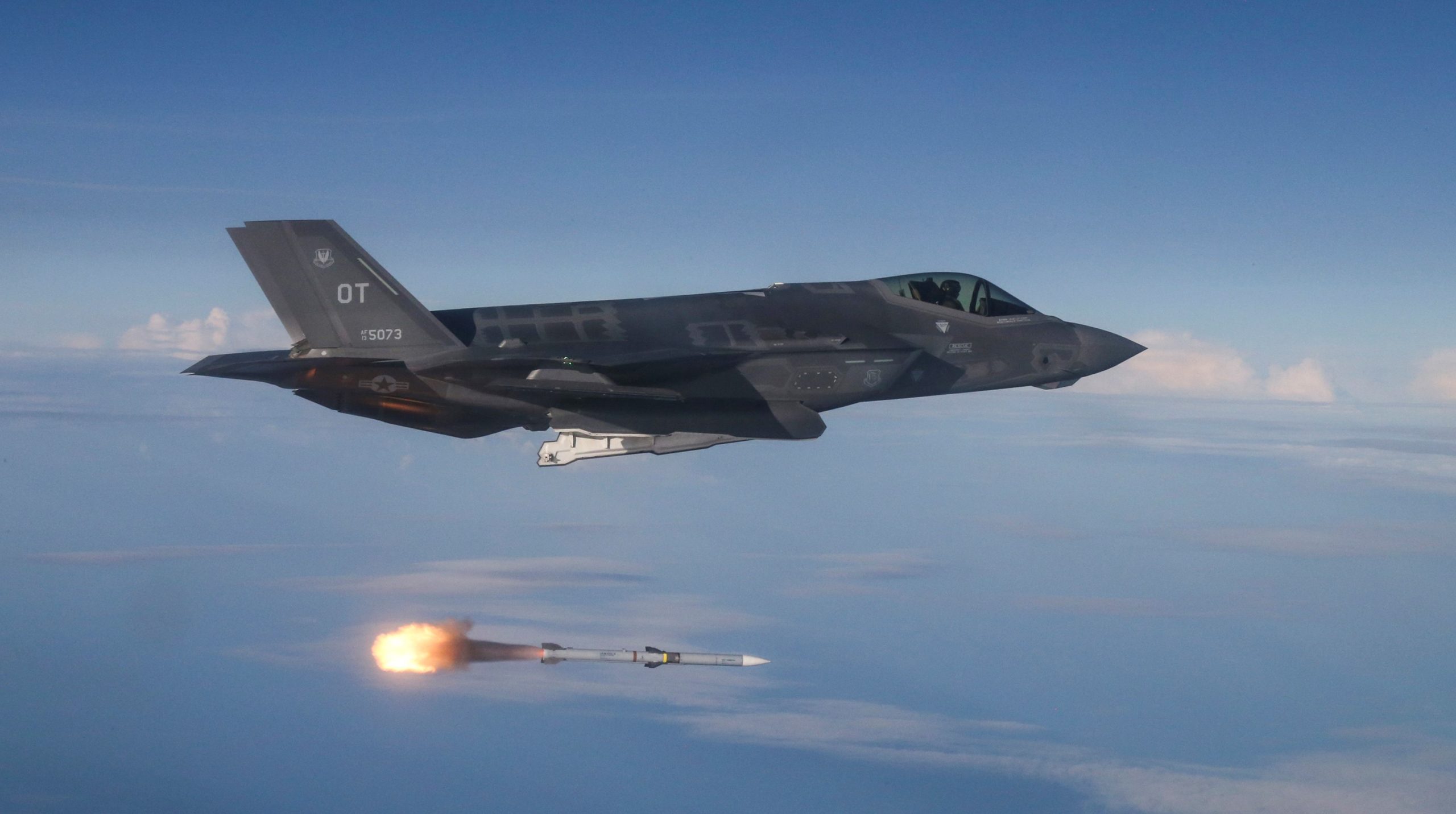
John “Slick” Baum talks to Lt Gen Gus Guastella, Deputy Chief of Staff for Operations, and Maj Gen Jon Norman, USAF (Ret.) of Raytheon Technologies about where threats are driving next generation air-to-air missile requirements.
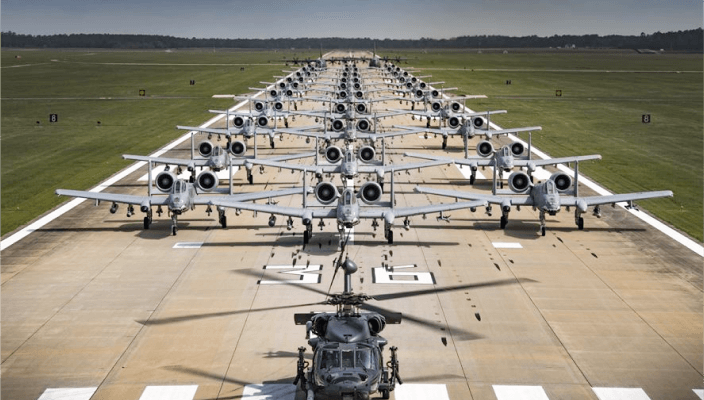
Empowering actors at all levels with a smart set of options at the right time and place demands procuring the most effective, efficient, and resilient set of tools.
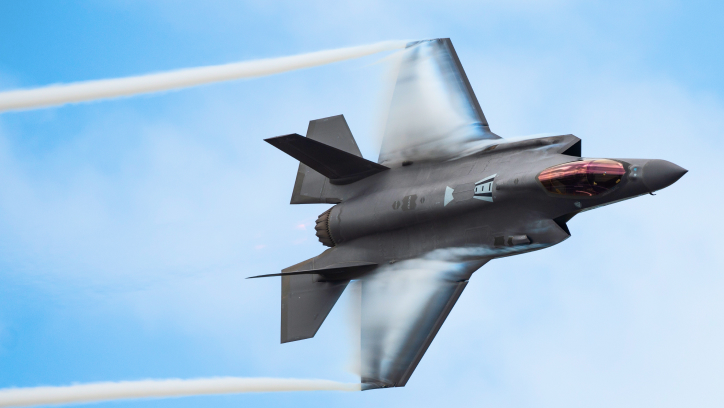
No matter the mission, from air superiority and long range strike to air mobility and command and control, a broad range of missions executed in the air provide vital options at the strategic, operational, and tactical realms.

Resource investment must prioritize investments that will yield best value for the Air Force, Space Force, and national security establishment as a whole.
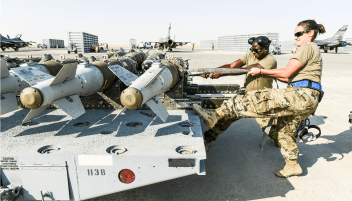
Strategic deterrence is the bedrock of the national security enterprise thanks to the virtues and value of the triad.
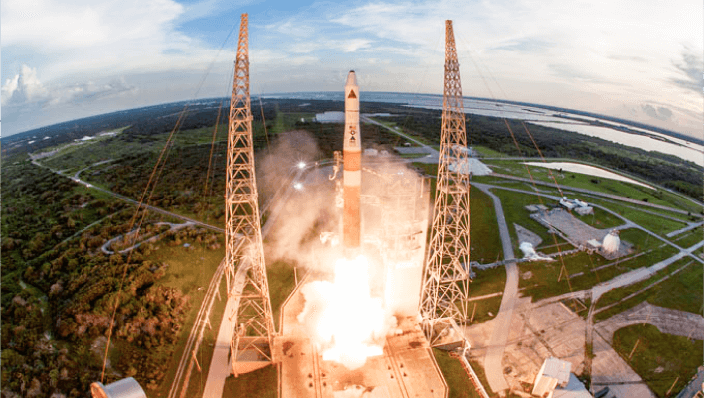
National security space activities are essential facets of any military operation, while also creating conditions essential for the civilian economy.