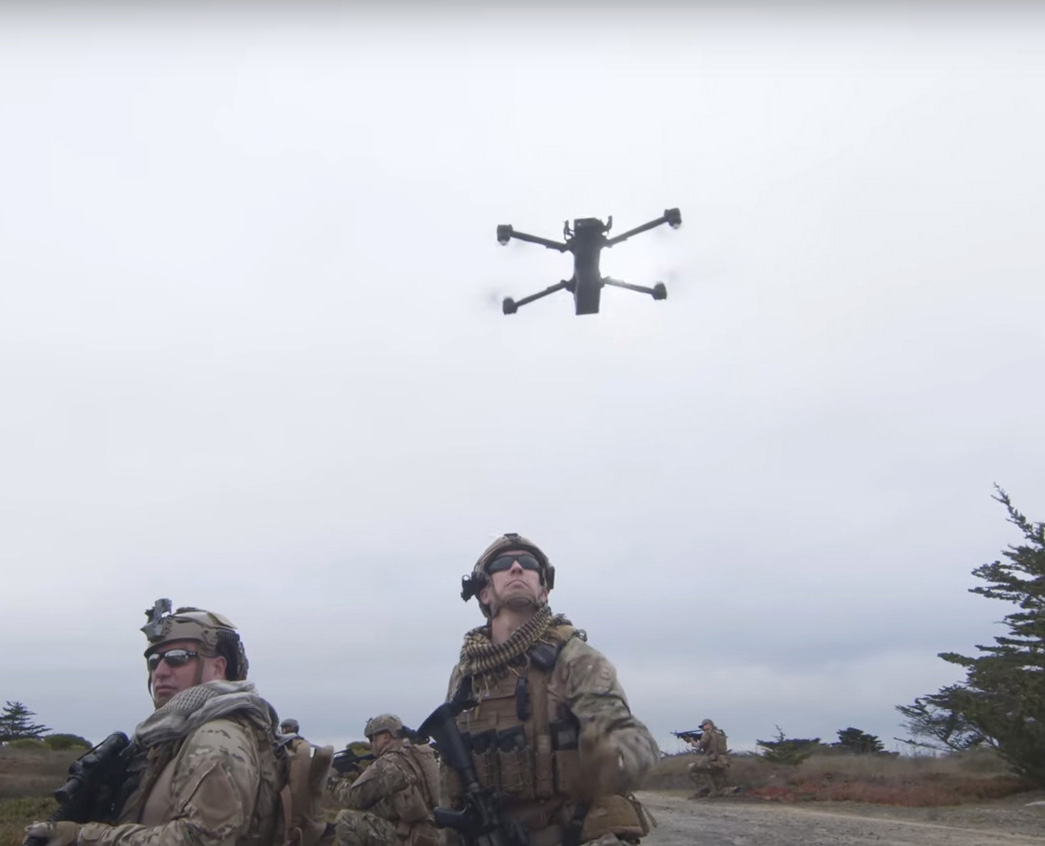
“I would disagree with the commander”: Mitchell Institute dean says small drones not a major threat
Government Matters | January 12, 2022 | Lt Gen Dave Deptula, USAF (Ret.)|
Government Matters | January 12, 2022 | Lt Gen Dave Deptula, USAF (Ret.)|

John “Slick” Baum engages with one of the most interesting, compelling aerospace leaders of our time. General Chilton’s career covers an immense range of experiences, any one of which would mark a highly successful tenure.

Gen Kevin Chilton, USAF (Ret.), Maj Gen Larry Stutzriem, USAF (Ret.), and Mark Gunzinger share some of their more memorable experiences from their career.

Lt Gen David Deptula, USAF (Ret.), Heather “Lucky” Penney, and your host John “Slick” Baum share some of the most memorable experiences from their careers.
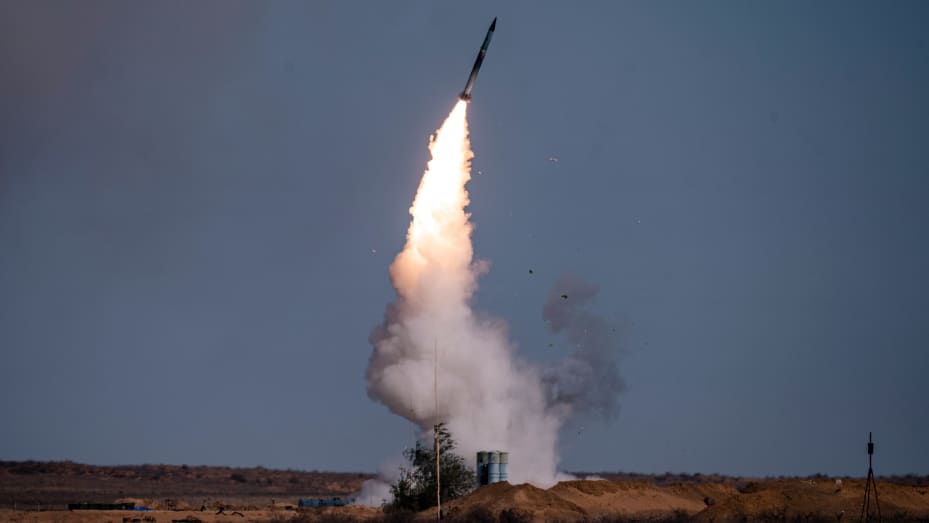
John “Slick” Baum is joined by Justin Bronk and Samuel Cranny-Evans of the Royal United Services Institute and the Mitchell Institute’s own Heather Penney to dive into Russian strategy.
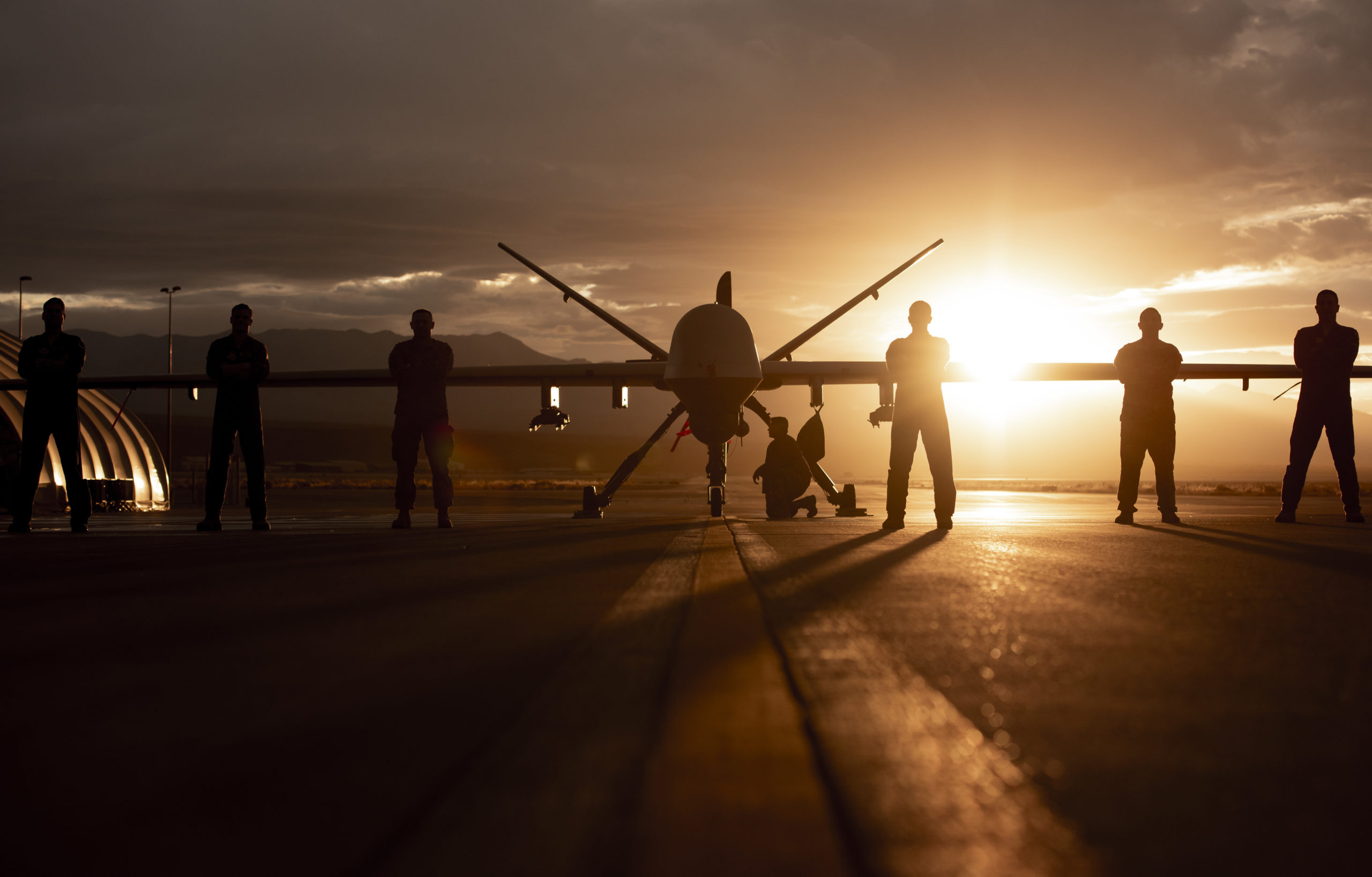
John “Slick” Baum talks to 49th Wing Commander Col Ryan Keeney, Mitchell Institute’s own Maj Gen (Ret.) Larry Stutzriem, and Brian Clark of the Hudson Institute to explore how the MQ-9 will meet new mission demands.

Empowering actors at all levels with a smart set of options at the right time and place demands procuring the most effective, efficient, and resilient set of tools.
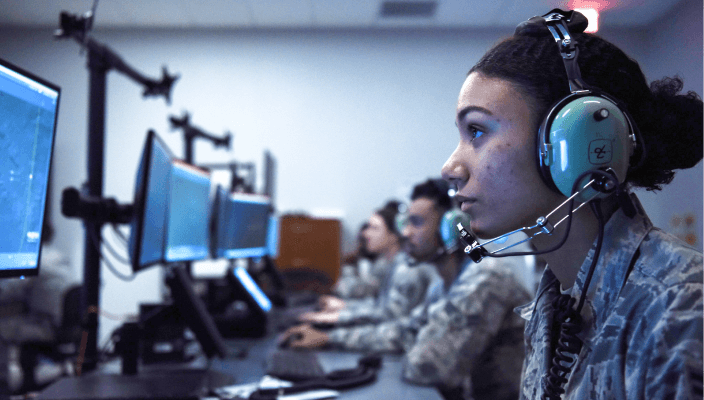
Resource investment must prioritize investments that will yield best value for the Air Force, Space Force, and national security establishment as a whole.

Strategic deterrence is the bedrock of the national security enterprise thanks to the virtues and value of the triad.

National security space activities are essential facets of any military operation, while also creating conditions essential for the civilian economy.

Meeting national security requirements today and tomorrow requires insightful, creative approaches that prioritize America’s strengths, while not projecting undue vulnerability.