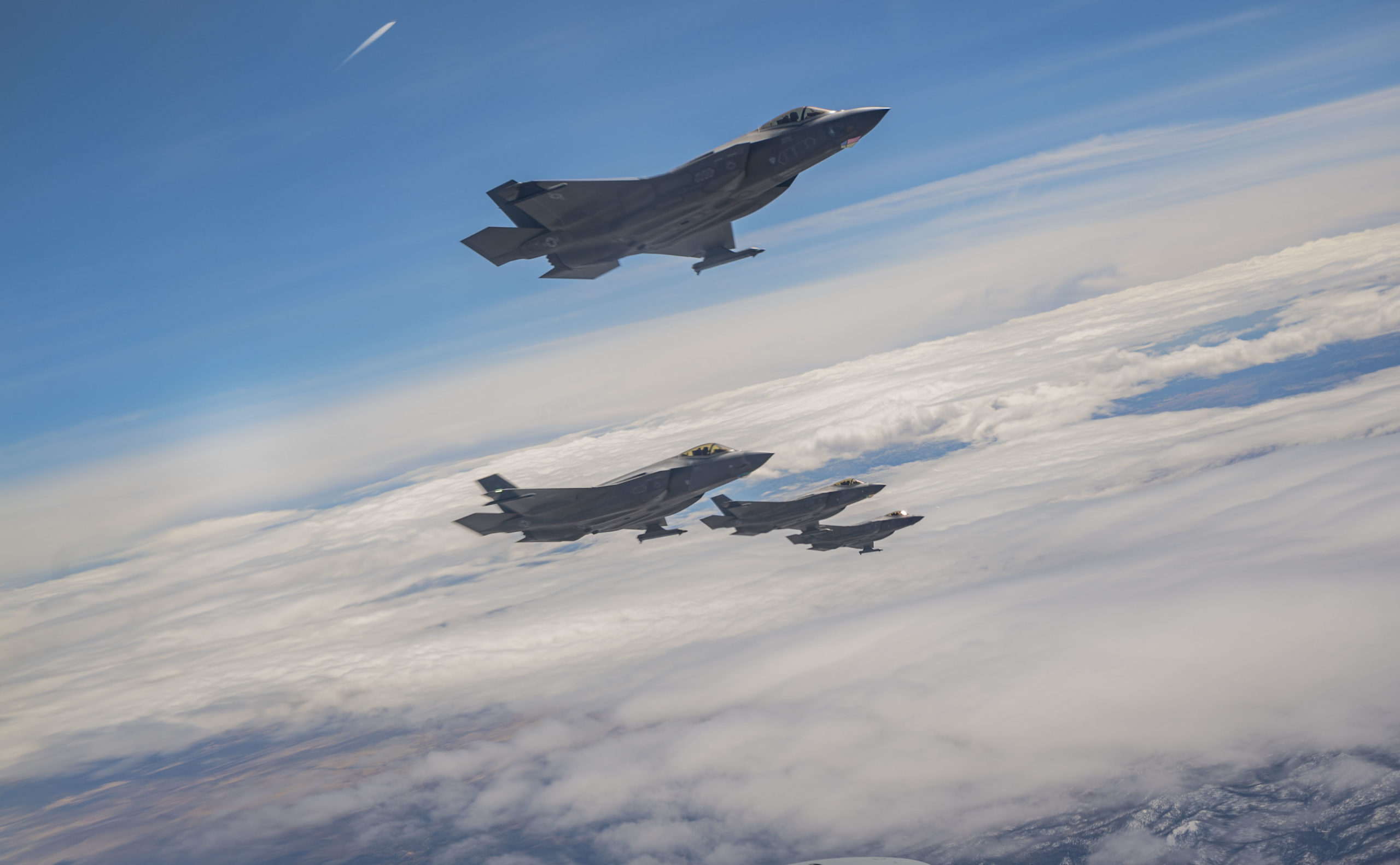
F-22, F-15EX, F-35, NGAD, and Beyond: Fighter Force Recommendations for the Next Decade
John “Slick” Baum and members of the Mitchell Institute team explore a U.S. Air Force fighter force that is in crisis and look to future solutions.
John “Slick” Baum and members of the Mitchell Institute team explore a U.S. Air Force fighter force that is in crisis and look to future solutions.

Arlington, VA | November 29, 2021 — The Mitchell Institute for Aerospace Studies is pleased to announce a new entry…
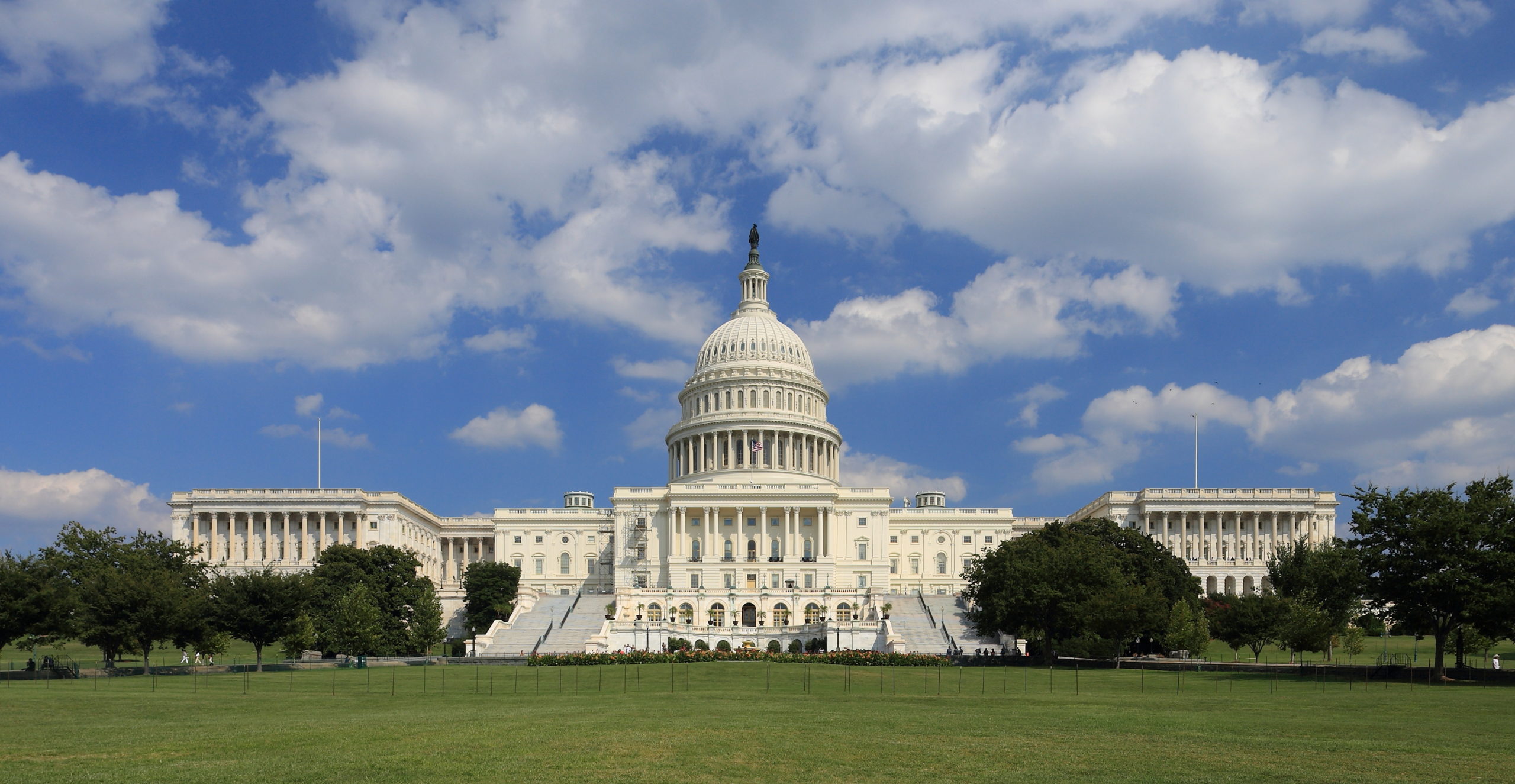
In this Rendezvous episode, we discuss the Senate’s version of the National Defense Authorization Act, Chinese launch of the fractional orbital bombardment system, Russians blowing up a satellite, and General Hyten’s comments on how China’s nuclear build up is about gaining a first strike capability.
Arlington, VA | November 18, 2021 — The Mitchell Institute for Aerospace Studies is pleased to announce a new entry…
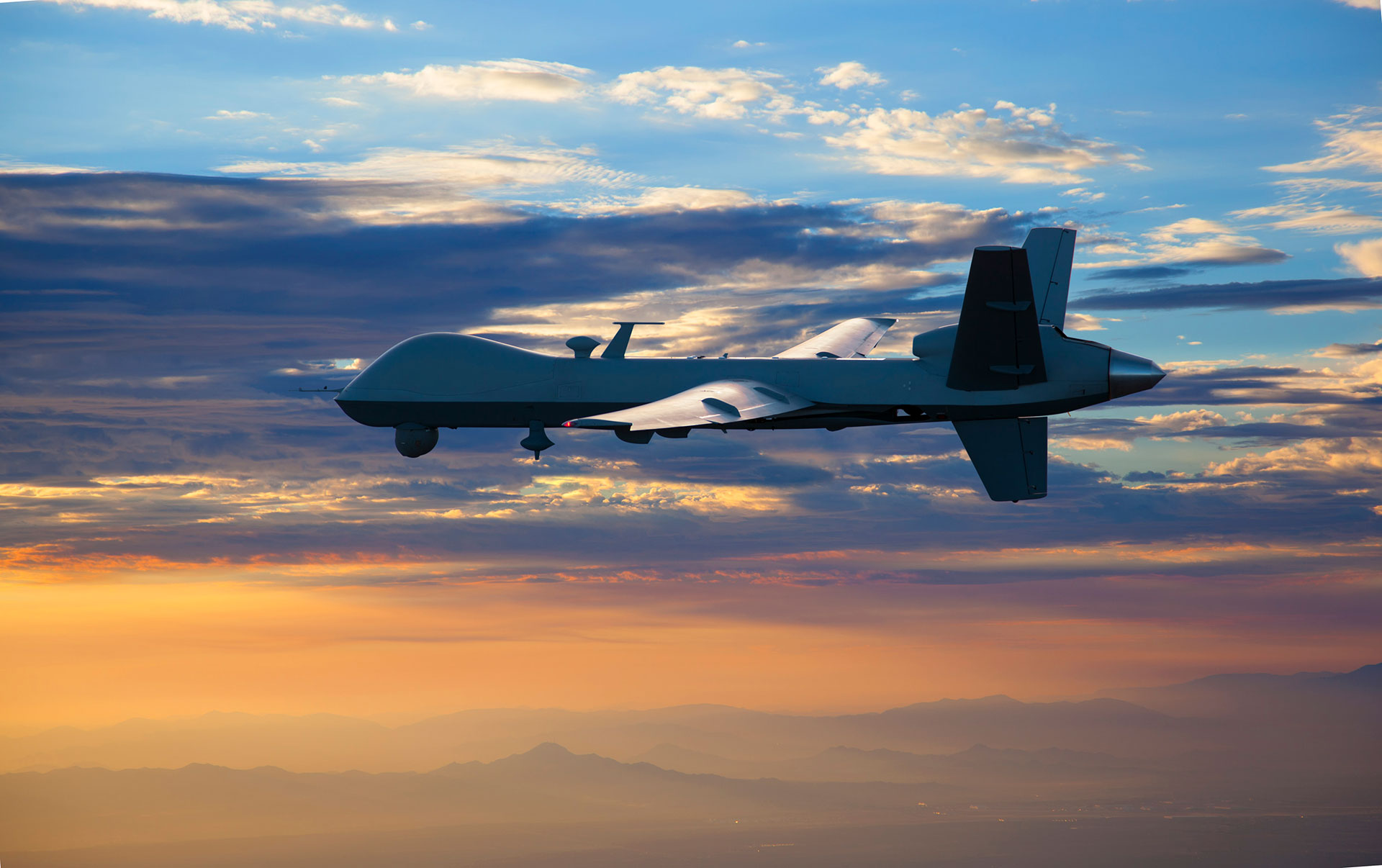
Watch the Mitchell Institute for Aerospace Studies’ release of its new policy paper. Reimagining the MQ-9 Reaper, by Maj Gen…
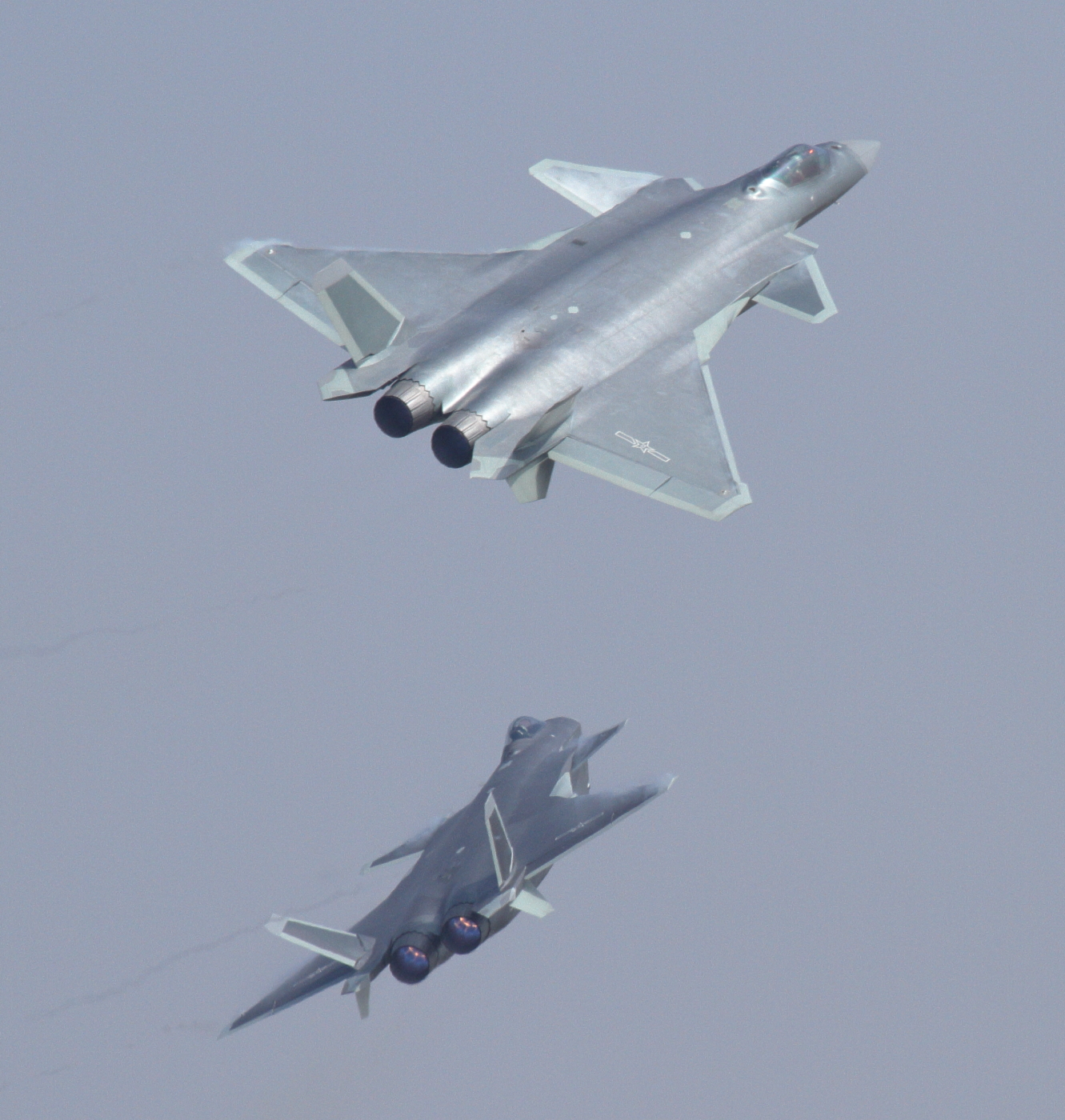
John “Slick” Baum is joined by Dr. Brendan Mulvaney of the China Aerospace Studies Institute, the former Director of Research at CASI, Ken Allen, and Mitchell Institute research analyst Daniel Rice to discuss the big question on everyone’s mind, “What is China’s global intent, and what are they doing to achieve these goals?”

Empowering actors at all levels with a smart set of options at the right time and place demands procuring the most effective, efficient, and resilient set of tools.
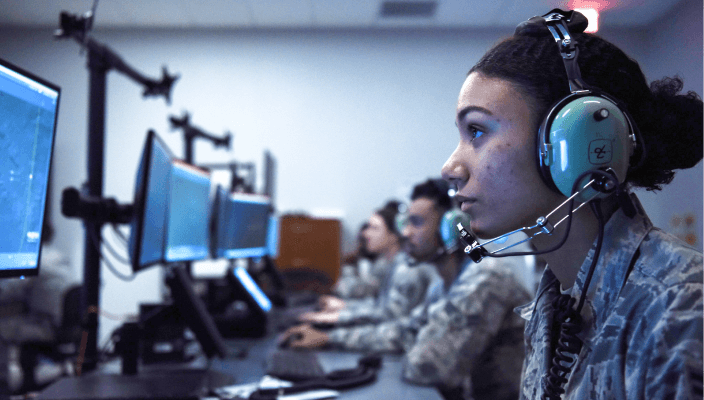
Resource investment must prioritize investments that will yield best value for the Air Force, Space Force, and national security establishment as a whole.

Strategic deterrence is the bedrock of the national security enterprise thanks to the virtues and value of the triad.
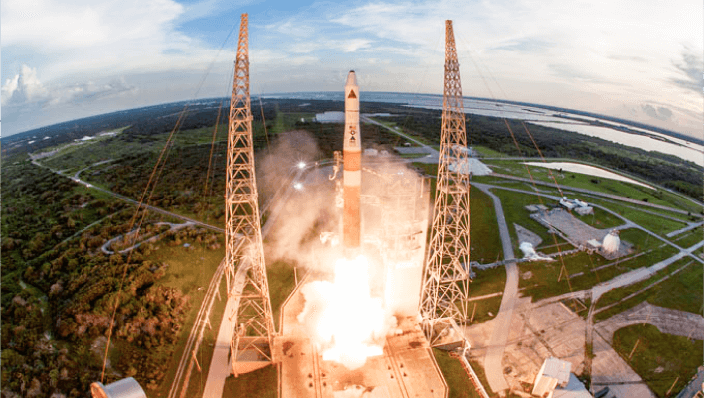
National security space activities are essential facets of any military operation, while also creating conditions essential for the civilian economy.

Meeting national security requirements today and tomorrow requires insightful, creative approaches that prioritize America’s strengths, while not projecting undue vulnerability.